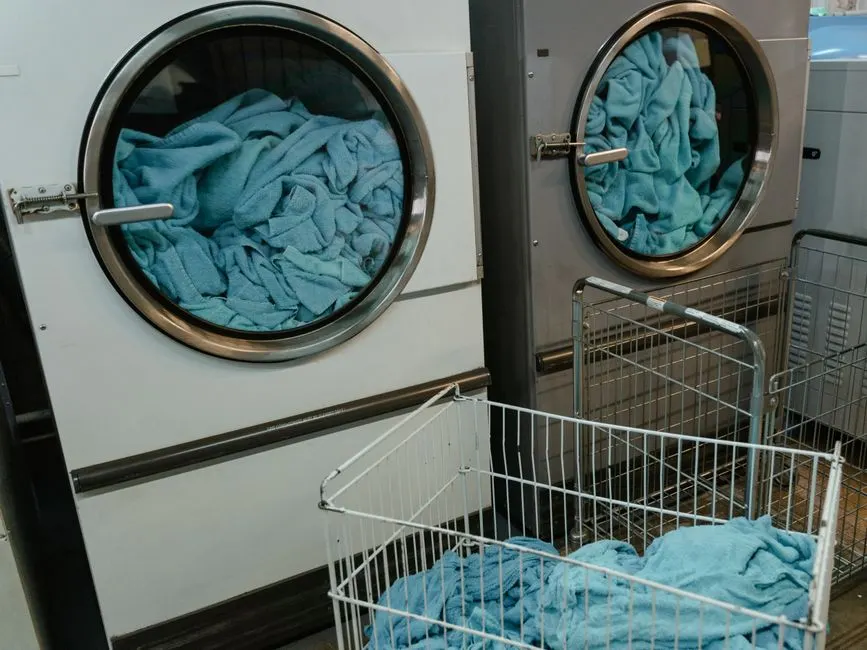
You can clean a dryer vent safely at home by unplugging the dryer, pulling it away from the wall, removing the lint trap and vent hose, then using a vent brush and vacuum to clear lint from the duct run and exterior hood. The whole job takes 45 to 90 minutes for a typical Ewing home, and you should do it at least once a year.
How to clean a dryer vent safely at home in Ewing, New Jersey is a job that pays for itself twice over - lower energy bills and a dramatically reduced fire risk. We are Firm Flash, a local Air duct Cleaning company, and we have seen what happens when lint builds up behind the dryer for years. This guide walks you through the tools, the steps, the safety rules, and the point where a professional should take over.
Why a Clogged Dryer Vent Is a Real Fire Risk in Ewing
A clogged dryer vent is a real fire risk in Ewing because lint is highly flammable and the vent is the only path for heat and moisture to escape. When that path narrows, the dryer runs hotter and longer, and a single spark from the drum or a worn heating element can ignite the lint packed inside the duct.
The U.S. Fire Administration reports that dryers cause roughly 2,900 home fires each year, and failure to clean the vent is the leading factor. In Ewing, many homes along the Pennington Road Corridor and in West Trenton were built between the 1950s and 1970s with long, winding vent runs that trap lint faster than modern short runs. If your laundry room sits in the middle of the house, your duct might travel 15 to 25 feet before it exits the wall - that is a lot of surface area for lint to cling to.
You will notice the warning signs before a fire starts. Clothes take two cycles to dry. The top of the dryer feels hot to the touch. The laundry room smells like burnt dust. The exterior vent flap barely moves when the dryer runs. Any one of those means it is time to clean the vent, not next month.
What Tools Do You Actually Need?
You need a dryer vent cleaning kit, a wet/dry shop vacuum, a screwdriver or nut driver, and a drop cloth. Most kits cost $20 to $45 at a hardware store and include a flexible auger brush that fits a standard 4-inch duct.
Here is the full list we recommend for a safe DIY job:
- Dryer vent brush kit - flexible rods with a 4-inch round brush, 12 to 20 feet of reach.
- Wet/dry shop vacuum - a standard canister vacuum will clog on lint; you need the airflow of a shop vac.
- Nut driver or Phillips screwdriver - for the hose clamp and the exterior hood screws.
- Work gloves and a dust mask - lint is fine and irritating, especially if you have allergies.
- Flashlight or headlamp - you will be looking into a dark duct.
- Drop cloth or old towel - lint falls everywhere when you pull the hose off.
If you have a rigid metal duct, the brush kit works well. If your duct is the older flexible foil type, be gentle - that material tears easily, and a torn liner traps even more lint. Many Ewing homes still have that foil duct from a 1990s remodel, and it is worth replacing with rigid metal when you get the chance.
Step-by-Step: How to Clean a Dryer Vent Safely at Home in Ewing, New Jersey
Follow these steps in order. Skipping the unplug step is the most common - and most dangerous - shortcut.
- Unplug the dryer. Pull the cord from the wall outlet. If it is a gas dryer, also shut off the gas valve behind the unit. Do not skip this.
- Pull the dryer out. Give yourself 2 to 3 feet of space behind the unit. Use a drop cloth under the work area.
- Disconnect the vent hose. Loosen the hose clamp with your nut driver and pull the flexible hose off the back of the dryer and off the wall duct. Set it aside.
- Clean the lint trap housing. Remove the lint screen and vacuum inside the slot with a crevice tool. Lint packs here first and is often the real bottleneck.
- Vacuum the dryer exhaust port. Reach into the back of the dryer where the hose connected and pull out what you can with your hand, then vacuum the rest.
- Run the brush through the wall duct. Feed the flexible brush into the duct from the inside. Push it in, twist, and pull it back. Repeat until the brush comes out mostly clean. This is the step that clears the long runs common in Ewing's older housing stock.
- Go outside and clear the exterior hood. Remove the screws holding the vent hood, pull the flap open, and vacuum out the lint that has collected there. Check that the flap swings freely - a stuck flap is a fire hazard on its own.
- Vacuum the whole run. With the brush work done, run the shop vac hose as far into the duct as it will go from both ends.
- Reconnect everything. Reattach the hose with the clamp, push the dryer back, plug it in, and turn the gas back on if applicable.
- Test it. Run the dryer on air-fluff for 10 minutes. Go outside and confirm strong airflow from the hood. If the flap barely moves, the duct is still restricted.
That is the whole job. If you would rather not crawl behind the dryer, our team handles dryer vent cleaning in Ewing, New Jersey with truck-mounted vacuums that pull far more lint than a shop vac can - and we inspect the full run with a camera while we are there.
How Often Should You Clean Your Dryer Vent in Ewing, New Jersey?
Clean your dryer vent at least once a year in Ewing, New Jersey, and every six months if you have a large household, pets, or a vent run longer than 15 feet. The lint trap should be cleaned after every single load - that is not optional.
Several local factors push you toward the six-month schedule:
- Long duct runs. Homes in Ewing Township Center and along the Pennington Road Corridor often have dryers set far from an exterior wall.
- Pet hair. If you have a dog or cat, their hair rides along with lint and builds up faster. We see this constantly on air duct cleaning for pet hair in Ewing, New Jersey calls.
- Heavy use. A family of five running eight loads a week produces more lint in three months than a couple running two loads a week produces in a year.
- Older flexible duct. The corrugated foil type traps lint in every ridge. Rigid metal stays cleaner longer.
Mark it on your calendar. A good habit is to clean the vent each October before the heavy winter laundry season, then check the exterior flap monthly. If the flap is sluggish in January, clean it again.
Common Mistakes and What to Watch Out For
The most common mistake is cleaning only the lint trap and calling it done. The trap catches maybe 60 to 70 percent of the lint your dryer produces - the rest goes into the duct.
Other mistakes we see:
- Not unplugging the dryer. The drum can still turn, and on a gas unit the igniter can cycle. Unplug it.
- Using a leaf blower. It sounds clever, but it blows lint into the duct and packs it tighter against the exterior hood.
- Ignoring the exterior hood. Half the clogs we find are at the outside termination, not inside the wall.
- Crushing the flexible hose. If the hose is kinked behind the dryer, airflow drops and lint builds up in the kink. Keep the run as straight as you can.
- Using vinyl or foil tape on joints. Use metal foil tape rated for HVAC, not duct tape. Duct tape dries out and falls off.
- Stacking boxes on top of the dryer. It blocks the airflow around the unit and traps heat.
One more thing to check while you are back there: the duct should be smooth metal where it passes through the wall. If you see a plastic or vinyl transition duct, replace it. Those are no longer code-compliant for dryers and they melt.
When to Call a Professional
Call a professional when the duct run is longer than 15 feet, when you cannot reach the exterior hood safely, when you see crushed or torn ductwork, or when you have cleaned it yourself and the dryer still takes two cycles to dry.
We also get called when the vent run goes up through the roof or through a second-floor wall - those runs need a camera inspection and a rotary brush on a drill, not a hand auger. If you live in a multi-unit building, the shared vent stack is a job for us, not a weekend project. Our team handles residential Airduct cleaning in Ewing, New Jersey and can inspect the whole system while we are on site.
We charge a flat rate for a standard dryer vent cleaning, and we tell you the price before we start. No surprises, no upsell on parts you do not need.
Frequently Asked Questions
How often should I clean my dryer vent in Ewing New Jersey?
At least once a year, and every six months if you have pets, a large family, or a duct run longer than 15 feet. Clean the lint trap after every load. If clothes take two cycles to dry, clean the vent immediately regardless of the calendar.
What tools do I need to clean a dryer vent in Ewing?
A flexible dryer vent brush kit ($20-$45), a wet/dry shop vacuum, a nut driver, work gloves, a dust mask, and a flashlight. Do not use a leaf blower or a standard household vacuum - neither has the airflow to pull packed lint out of a 4-inch duct.
Is it safe to clean a dryer vent yourself in Ewing NJ?
Yes, for a short ground-level run. Unplug the dryer first, and shut off the gas valve on a gas unit. Do not climb on the roof or work on a ladder above the first floor. If the duct is crushed, torn, or longer than 15 feet, call a professional.
When should I call a professional for dryer vent cleaning in Ewing New Jersey?
Call us when the run exceeds 15 feet, when the exterior hood is on the roof or a second story, when you see damaged ductwork, or when a DIY cleaning did not fix slow drying. We inspect the full run with a camera and clear it with truck-mounted equipment.
Get Help with Air duct Cleaning in Ewing
If your dryer vent run is long, hard to reach, or overdue for a real cleaning, our team can handle it in a single visit - and we will check the rest of your ductwork while we are there. Call Firm Flash at (844) 803-5147 to schedule dryer vent cleaning or a full air duct inspection in Ewing, New Jersey.